Finding focus
There are more worthwhile problems, promising organizations, and urgent opportunities than any one person can support.
The challenge is deciding where your attention, experience and resources can create the greatest value over time.
For operators, after the exit.
Your company had a roadmap.
Your giving needs a compass.
You built a company and saw it through to an exit.
While giving has been part of your life for a while, now it feels different. The wealth you earned brings a pull to do more.
You are ready to take on a different challenge: becoming a deliberate philanthropist.
Deliberate philanthropy runs on a working thesis.
It is your argument for how targeted investments lead to specific outcomes.
It names the assumptions behind the argument and sets a date to review them against the evidence.
This will feel familiar. It's how operators think.
You have already spent years making difficult decisions, weighing tradeoffs, allocating resources, and moving forward without perfect information.
That experience stays with you in philanthropy. It helps you spot strong ideas, ask sharper questions, and focus your efforts where they matter most.
Your instincts as an operator are not something to leave behind. They are one of the most useful tools you bring with you.
Four things every new funder runs into
There are more worthwhile problems, promising organizations, and urgent opportunities than any one person can support.
The challenge is deciding where your attention, experience and resources can create the greatest value over time.
You may already have a strong sense of what you care about and the change you want to invest in.
The harder part is turning your conviction into a clear strategy with defined priorities, boundaries, and a practical way to make consistent decisions.
Your philanthropy needs enough structure to create clarity and accountability, without unnecessary process.
The goal is an operating model that supports thoughtful decisions, makes collaboration easier, and keeps you focused on the work that matters most.
The strongest opportunities rarely fit neatly into a spreadsheet or reveal themselves through a single metric.
Good funding decisions balance evidence with context. They depend on knowing the people behind the work, asking the right questions, and trusting your judgment alongside the data.
I'm Patrick Diamond. I've raised money inside nonprofits and invested in social good alongside some very big foundations. At MIT I built out its global platform for social entrepreneurship.
The funders who stand out are the ones who write down a thesis and learn by doing.
I founded Modern Funder so people who've built companies can do the same, and move at the pace the world's problems demand.
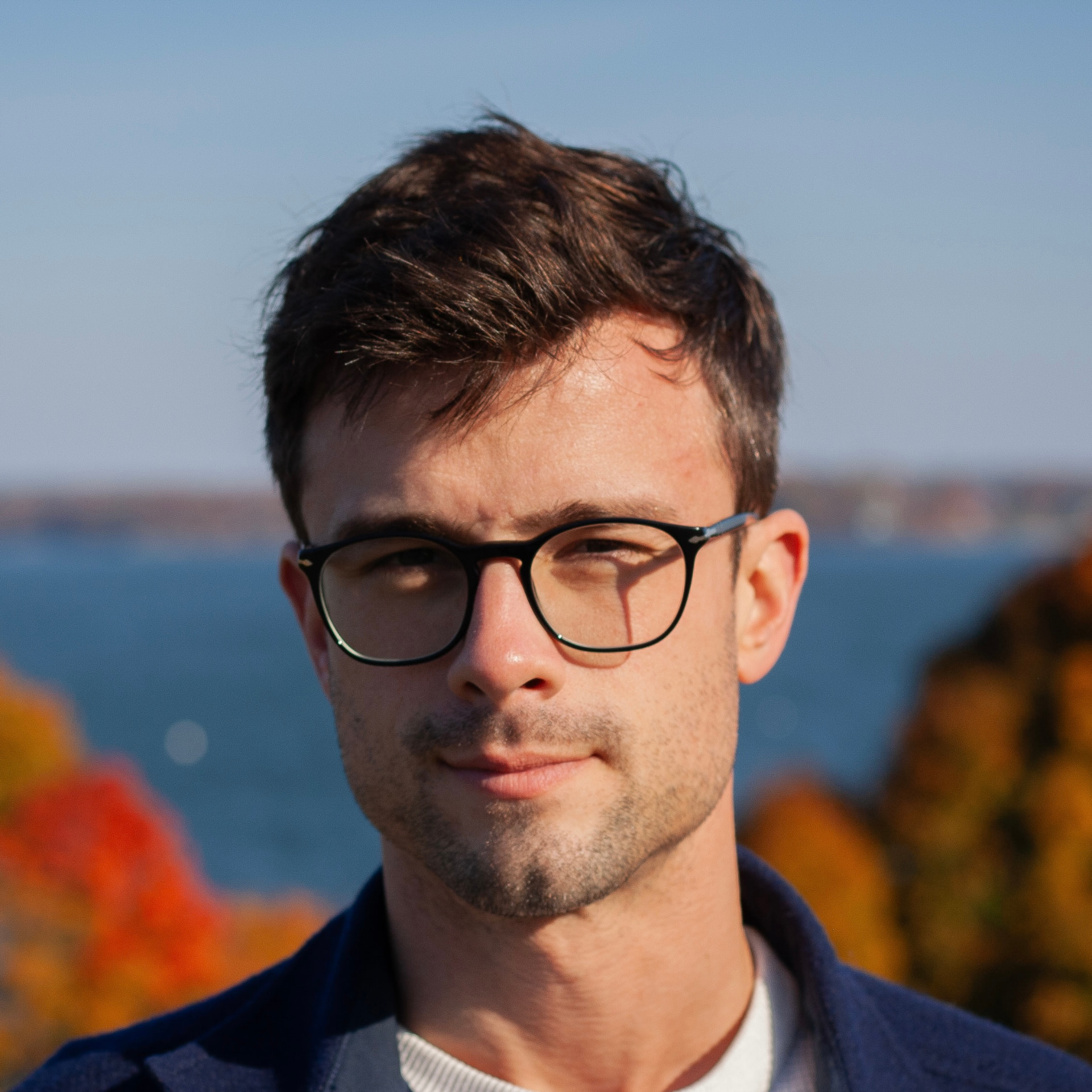
Patrick Diamond
Founder, Modern Funder
A method built for operators early in their philanthropy.
Deliberate philanthropy is built from the inside out. The work starts with you, at the center of your giving. Each phase then brings in a perspective you can't get on your own, so the strategy you leave with rests on more than instinct.
You bring what you learned building your company. I bring what I've learned in philanthropy, from the largest foundations to small nonprofits. Together we'll build a practice that points your capital at a change you can name, in the communities you care about.
Six phases,
one practice.
Find out who you are now that you have exited, the kind of philanthropist you want to be, and what change you want to see in the world.
Discovery
Build a
modern
philanthropy.
On the role only a modern funder can play.
Apr 1, 2026
On the limits of incremental grantmaking and the case for structural change
Jan 30, 2026
On the interplay between federal law and institutional philanthropy
Dec 23, 2025
On turning frontline knowledge to fit-for-purpose products
Nov 18, 2025
On allowing outcomes to be shaped by the natural forces of time, place, and community.
Oct 22, 2025